Organic gardening offers a sustainable way to grow food while caring for the earth. With the right guidance, anyone can thrive.
This blog post introduces you to some of the best books on organic gardening. These books cater to both beginners and seasoned gardeners, offering insights into eco-friendly practices. “The New Organic Grower” provides time-tested techniques for home and market gardening.
“Organic Gardening for Beginners” is perfect for those just starting out. “The Old Farmer’s Almanac Vegetable Gardener’s Handbook” offers practical advice for vegetable cultivation. “The Organic Gardener’s Handbook” tackles natural pest and disease control. For urban gardeners, “Rebel Gardening” is a handy guide. “Mini Farming” teaches self-sufficiency on a small plot. “Rodale’s Ultimate Encyclopedia of Organic Gardening” is a comprehensive resource. “Seed to Table” guides you from planting to preserving.
The New Organic Grower

The New Organic Grower, 3rd Edition is an essential resource for anyone passionate about organic gardening and looking to deepen their understanding of sustainable practices. Ideal for home gardeners, market gardeners, and those interested in mastering the art of organic farming, this 30th Anniversary Edition provides valuable insights and practical techniques that cater to both beginners and seasoned professionals.
Pros:
- Comprehensive guide with 304 pages of detailed information.
- Updated content reflecting modern organic gardening techniques.
- Authored by an experienced master gardener, ensuring expert advice.
- Ideal for both home and market gardeners.
- Published by Chelsea Green Publishing, known for quality environmental content.
Cons:
- The multicolor design might not appeal to all readers.
- At 1.84967837818 Pounds, it might be slightly heavy for on-the-go reading.
- Not suitable for those uninterested in organic gardening.
This edition of The New Organic Grower stands out with its in-depth coverage of tools and techniques that are crucial for effective organic gardening. Readers will find practical advice on soil preparation, crop rotation, pest management, and more. These features help gardeners to cultivate a thriving garden while maintaining sustainability and environmental consciousness. The book’s focus on market gardening techniques also offers valuable insights for those looking to turn their passion into a profitable venture, making it an excellent resource for aspiring entrepreneurs in the field.
Beyond the technical aspects, the book delves into the philosophy of organic farming, emphasizing the importance of biodiversity and ecological balance. This holistic approach not only enhances the quality and yield of crops but also promotes a healthier ecosystem. Readers are encouraged to adopt practices that support soil health and plant vitality, ensuring long-term success in their gardening endeavors. Overall, this manual serves as a cornerstone for anyone eager to embrace and excel in the world of organic gardening.
To buy this product, click here.
Organic Gardening For Beginners: An Eco-friendly Guide To Growing Vegetables, Fruits, And Herbs

Are you passionate about sustainable living and eager to cultivate your own fresh produce? The Organic Gardening for Beginners book is ideal for novice gardeners and eco-conscious individuals looking to embark on a journey of growing vegetables, fruits, and herbs organically. This guide provides essential insights and practical tips to help you establish a thriving garden while minimizing your environmental impact.
Pros:
- Comprehensive guide for beginners.
- Focus on eco-friendly gardening practices.
- Easy-to-follow instructions with illustrations.
- Covers a wide range of plants including vegetables, fruits, and herbs.
Cons:
- Limited content for advanced gardeners.
- May require additional resources for specific plant varieties.
The Organic Gardening for Beginners book is packed with valuable features that make gardening accessible to everyone. With 136 pages of insightful content, the book covers everything from soil preparation and planting to pest management and harvesting. Callisto, the manufacturer, ensures the book is user-friendly with clear illustrations that guide you through each step of the gardening process. This resource is perfect for anyone looking to create a garden that thrives on natural methods and reduces reliance on synthetic chemicals.
One of the standout features of this book is its emphasis on sustainable gardening practices. By following the methods outlined, gardeners can contribute positively to the environment while enjoying their own fresh produce. The book’s manageable size and weight make it easy to carry outdoors for quick reference. Whether you’re interested in growing your own organic vegetables or experimenting with herbs and fruits, this guide offers the foundation you need for a successful gardening experience. Readers can expect to benefit from a healthier lifestyle and a deeper connection with nature through the principles shared in this book.
To buy this product, click here.
The Old Farmer’s Almanac Vegetable Gardener’s Handbook

The Old Farmer’s Almanac Vegetable Gardener’s Handbook is ideal for gardening enthusiasts who have a passion for growing their own vegetables. Whether you’re a novice gardener or someone looking to expand your gardening knowledge, this handbook is tailored to provide valuable insights and practical advice. With its comprehensive guidelines, it is perfect for anyone eager to cultivate a thriving garden and enjoy the rewards of homegrown produce.
Pros:
- Comprehensive guide suitable for beginners and seasoned gardeners alike.
- Illustrated edition with easy-to-follow instructions and visual aids.
- Portable size, making it easy to take along to the garden.
- Authored by the trusted Old Farmer’s Almanac, ensuring reliable information.
Cons:
- Limited to vegetable gardening, not covering other types of gardening.
- Published in 2019, some information may be slightly outdated.
The Old Farmer’s Almanac Vegetable Gardener’s Handbook boasts a range of features that make it a must-have for any vegetable gardening enthusiast. Its illustrated edition provides clear and engaging visual guides, making it easy to understand complex gardening concepts. The 208 pages of content are packed with expert tips and practical advice, helping gardeners overcome common challenges and maximize their yield. This handbook is not only a source of information but also a tool for inspiration, encouraging gardeners to experiment and expand their skills.
One of the standout benefits of this handbook is its compact dimensions, allowing gardeners to carry it easily as they work in their plots. The trusted expertise of the Old Farmer’s Almanac ensures that users receive reliable and time-tested advice. While the focus is on vegetable gardening, the depth of knowledge provided empowers users to cultivate a wide variety of crops successfully. Despite its publication date, the core principles and techniques remain relevant, making it a valuable addition to any gardener’s library.
To buy this product, click here.
The Organic Gardener’s Handbook Of Natural Pest And Disease Control

For those who are passionate about organic gardening and eager to maintain a healthy garden without resorting to harmful chemicals, “The Organic Gardener’s Handbook of Natural Pest and Disease Control” is an invaluable resource. Ideal for environmentally conscious gardeners, this book offers comprehensive solutions for maintaining your garden the earth-friendly way.
Pros:
- Provides natural solutions for pest and disease control.
- Encourages sustainable gardening practices.
- Offers detailed information across 320 pages.
- Written by a trusted brand, Rodale.
Cons:
- The weight may make it less portable for on-the-go reference.
- Limited illustrations may challenge visual learners.
One of the standout features of this handbook is its focus on natural pest control methods. By utilizing ingredients and techniques that are readily available, gardeners can protect their plants from common pests without compromising their commitment to eco-friendly practices. This empowers users to cultivate their gardens with confidence, knowing they are contributing positively to the environment.
Additionally, the book’s in-depth exploration of disease control helps gardeners understand how to prevent and manage issues that can threaten their plants’ health. With easy-to-follow guidance and practical tips, readers can proactively address potential problems, ensuring their gardens remain lush and productive throughout the growing season. This makes it an ideal companion for those dedicated to sustainable gardening.
To buy this product, click here.
Rebel Gardening: A Beginner’s Handbook To Organic Urban Gardening

For those looking to embark on a journey of organic urban gardening, “Rebel Gardening: A beginner’s handbook to organic urban gardening” is a perfect guide. Whether you are a city dweller with limited space or someone who dreams of transforming your urban environment into a green oasis, this book provides the foundational knowledge and inspiration needed to get started. Ideal for beginners, it breaks down complex concepts into easy-to-understand language, making it accessible for anyone eager to embrace a more sustainable lifestyle.
Pros:
- Comprehensive guide for beginners
- Multicolor design makes it visually appealing
- Published by a reputable brand, Watkins Publishing
- Detailed 272 pages of content
Cons:
- Weight may be a bit heavy for portable reading
- Some users might find it too basic if they have prior experience
One of the standout features of “Rebel Gardening” is its comprehensive coverage of organic gardening techniques tailored for urban environments. From choosing the right plants to understanding soil health, the book provides detailed instructions that ensure even those with no prior experience can achieve success. Its multicolor design is not only aesthetically pleasing but also enhances the learning experience by using visuals to demonstrate complex gardening concepts.
Another benefit of this handbook is its focus on sustainability. In today’s world, where environmental consciousness is becoming increasingly important, the book encourages readers to adopt practices that contribute to a healthier planet. Additionally, the step-by-step guides make it easy for readers to replicate successful gardening strategies in their own spaces, ensuring that even small urban gardens can thrive.
To buy this product, click here.
Mini Farming: Self-sufficiency On 1/4 Acre
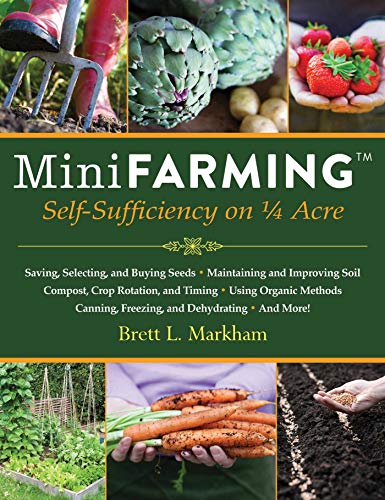
For those who are keen on embracing a more self-sufficient lifestyle, Mini Farming: Self-Sufficiency on 1/4 Acre is an ideal choice. This book is perfect for urban dwellers or suburban homeowners who have limited space yet wish to cultivate their own food and enjoy the benefits of small-scale farming. Whether you’re a beginner gardener or someone looking to maximize their farming potential, this guide offers comprehensive insights into sustainable living on a modest plot of land.
Pros:
- Offers detailed strategies for maximizing small space farming.
- Includes illustrated guides to simplify complex farming techniques.
- Promotes self-sufficiency with practical, actionable advice.
- Written by a reputable publisher, ensuring quality content.
Cons:
- May require additional resources for beginners unfamiliar with farming.
- Focused on small-scale farming, limiting broader agricultural applications.
Mini Farming: Self-Sufficiency on 1/4 Acre stands out with its comprehensive coverage of farming techniques tailored for limited spaces. The illustrated edition provides clear visual aids that make understanding advanced concepts easier, which is particularly beneficial for those new to farming. Readers will appreciate the book’s structured approach, guiding them through the process of planning, planting, and harvesting in a way that maximizes productivity.
By focusing on a sustainable lifestyle, this book empowers individuals to take control of their food production, reducing reliance on external sources. The step-by-step instructions provided help streamline processes, making the transition to self-sufficiency less daunting. With a publication date of 2010, the book remains a relevant resource, offering timeless farming wisdom combined with modern techniques to enhance efficiency and yield.
To buy this product, click here.
Rodale’s Ultimate Encyclopedia Of Organic Gardening

The ideal customer for Rodale’s Ultimate Encyclopedia of Organic Gardening is anyone passionate about cultivating an organic garden, whether they are a beginner gardener seeking foundational knowledge or an experienced horticulturist looking to expand their expertise. This comprehensive guide serves as an indispensable resource for individuals dedicated to sustainable and organic gardening practices.
Pros:
- Comprehensive coverage of organic gardening techniques.
- Authored by experts from the trusted Rodale brand.
- Updated edition ensures relevant and current information.
- Detailed insights into sustainable gardening practices.
- Includes over 720 pages of valuable content.
Cons:
- Large size may be cumbersome to handle for some readers.
- Focus on organic practices might not appeal to those interested in conventional gardening methods.
The Rodale’s Ultimate Encyclopedia of Organic Gardening offers a wealth of information across its 720 pages, making it an invaluable asset for any gardener. With its updated edition, readers receive the most recent insights into organic gardening, ensuring that they are equipped with up-to-date techniques and strategies. The book’s comprehensive nature addresses a variety of topics, from soil health and plant selection to pest management and composting, catering to the needs of a diverse gardening audience.
One of the standout features of this encyclopedia is its focus on sustainable and environmentally friendly practices. This aligns with the growing movement towards eco-conscious living, making it an ideal resource for those committed to reducing their environmental impact. The trusted Rodale brand further enhances its credibility, as they are known for their dedication to organic and sustainable agriculture. Whether you’re looking to start your first organic garden or refine your existing practices, this book provides the essential guidance to help you succeed.
To buy this product, click here.
Seed To Table: A Seasonal Guide To Organically Growing, Cooking, And Preserving Food At Home

The book “Seed to Table: A Seasonal Guide to Organically Growing, Cooking, and Preserving Food at Home” is ideal for garden enthusiasts, home cooks, and anyone interested in sustainable living. This guide is perfect for those looking to transform their urban spaces into thriving kitchen gardens and for individuals who wish to embrace organic methods for food production, cooking, and preservation.
Pros:
- Comprehensive guide for seasonal gardening and organic practices.
- Includes detailed instructions for cooking and preserving home-grown produce.
- Published by Yellow Pear Press, known for quality content.
Cons:
- Weight of nearly 2.8 pounds may be cumbersome for some readers.
- Limited to 330 pages, which may not cover all gardening topics in depth.
One of the standout features of this book is its seasonal approach to gardening. By following the natural cycles, readers can optimize their gardens for year-round productivity. The book outlines step-by-step processes for planting, tending, and harvesting, ensuring that even novice gardeners can achieve success. The emphasis on organic techniques not only promotes environmental health but also ensures that the produce is safe and nutritious.
In addition to gardening, the book excels in guiding readers through the culinary and preservation aspects of home-grown food. With easy-to-follow recipes and preservation methods, users can enjoy their harvests throughout the year. The integration of cooking techniques with gardening knowledge bridges the gap between garden and kitchen, making it a valuable resource for those looking to enhance their culinary skills with fresh ingredients.
To buy this product, click here.
Frequently Asked Questions
What Makes “the New Organic Grower” Unique?
“The New Organic Grower” offers advanced tools and techniques for both home and market gardening. This 30th Anniversary Edition provides practical insights and updates on sustainable farming. It’s a comprehensive guide for those seeking to enhance their organic gardening skills.
Is “organic Gardening For Beginners” Suitable For Newcomers?
Yes, “Organic Gardening for Beginners” is perfect for newcomers. It provides an eco-friendly guide to growing vegetables, fruits, and herbs. The book simplifies organic gardening concepts, making it easy for beginners to start their gardening journey.
How Does “the Old Farmer’s Almanac” Help Gardeners?
“The Old Farmer’s Almanac Vegetable Gardener’s Handbook” offers tried-and-true gardening tips. It helps gardeners plan, plant, and maintain their gardens effectively. The handbook is packed with practical advice and historical gardening wisdom, making it a valuable resource.
Why Choose “the Organic Gardener’s Handbook”?
“The Organic Gardener’s Handbook” provides natural pest and disease control methods. It focuses on maintaining a healthy garden and yard in an earth-friendly way. This guide is essential for those aiming to garden sustainably.
What Is “rebel Gardening” About?
“Rebel Gardening” is a beginner’s handbook for organic urban gardening. It encourages innovative gardening techniques in urban settings. The book is ideal for those with limited space, offering creative solutions for growing a sustainable garden in the city.
Can “mini Farming” Help With Self-sufficiency?
“Mini Farming: Self-Sufficiency on 1/4 Acre” focuses on achieving self-sufficiency in a small space. The book provides step-by-step guidance on maximizing yield and efficiency. It’s perfect for those looking to live sustainably on limited land.
Conclusion
Exploring the world of organic gardening can be a rewarding journey. The books mentioned offer valuable insights and guidance. “the new organic grower” provides essential tools and techniques for gardeners. “organic gardening for beginners” is perfect for starting eco-friendly gardening practices.
If you’re interested in expert advice, “the old farmer’s almanac vegetable gardener’s handbook” is a classic choice. For tackling garden pests and diseases naturally, “the organic gardener’s handbook” is your go-to guide. “rebel gardening” introduces innovative methods for urban spaces.
Small space? “mini farming” shows how to maximize a quarter-acre plot. “rodale’s ultimate encyclopedia of organic gardening” is a comprehensive resource for every gardener. Lastly, “seed to table” connects gardening with cooking and preserving food. These books, each unique in its approach, support your organic gardening journey.
Choose one that matches your needs, and enjoy cultivating your green space. Happy gardening!